
Unveiling The Benefits Of Suboxone In Opioid Dependence Therapy
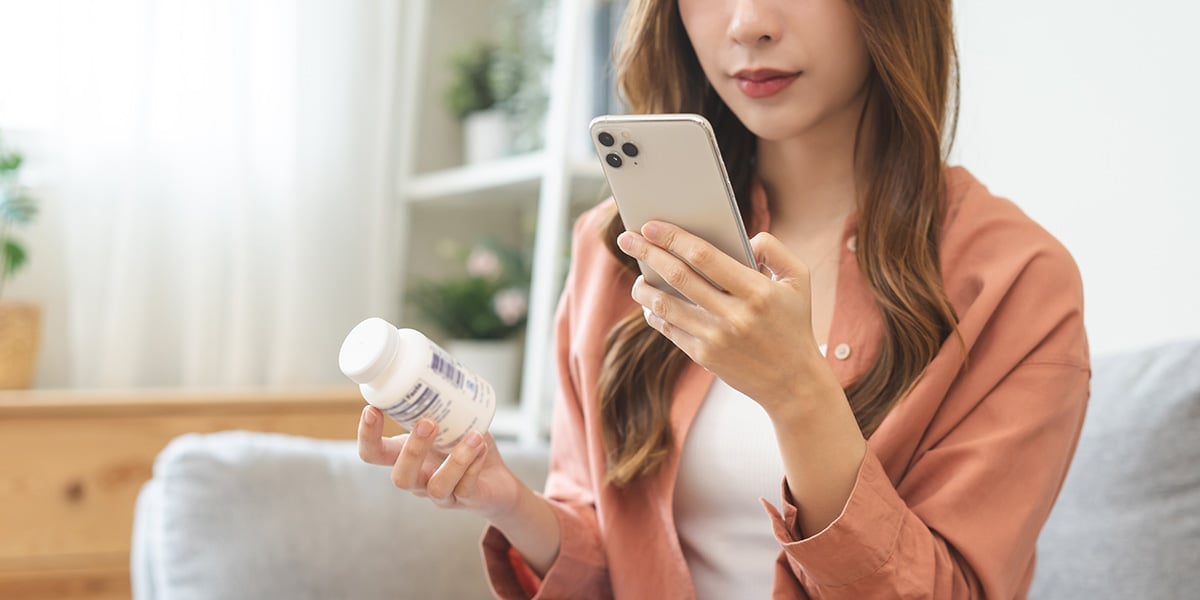
Suboxone, a combination of Buprenorphine and Naloxone, has revolutionized the treatment of opioid addiction in recent years. This medication is specifically designed to manage and treat opioid use disorder.
At Renew Health & Wellness in Apollo Beach, Abigail Butterfield, PMHNP-BC is proud to offer treatment to her patients with Suboxone.
Suboxone, a combination of Buprenorphine and Naloxone, has revolutionized the treatment of opioid addiction in recent years. This medication is specifically designed to manage and treat opioid use disorder, offering numerous benefits that are transforming lives and communities1. We are proud to offer MAT therapy for patients at Renew Health & Wellness with the use of Suboxone.
- Reducing Cravings and Withdrawal Symptoms: One of the primary benefits of Suboxone is its potential to mitigate the intense cravings and withdrawal symptoms that accompany opioid addiction. Buprenorphine, a partial opioid agonist, helps to suppress cravings, while Naloxone, an opioid antagonist, deters misuse of the medication2.
- Lower Potential for Misuse: Unlike other opioid treatments such as methadone, Suboxone has a lower potential for misuse. The presence of Naloxone in Suboxone precipitates withdrawal symptoms if an individual attempts to inject or snort the medication, thereby discouraging misuse3.
- Flexibility in treatment: Suboxone treatment now has greater flexibility. It can be prescribed in various healthcare settings, including telemedicine, so you can start and continue care in the comfort and privacy of your own home4. Most patients can be seen within 24-48 hours of booking an appointment with Abigail Butterfield, PMHNP-BC. To book an appointment today visit: Book Online
- Improving Quality of Life: Suboxone has been shown to improve the quality of life of those suffering from opioid dependence and addiction. It allows individuals to regain control of their lives, maintain steady employment, and rebuild relationships that may have been damaged due to addiction5. Visit our site for more information on how we can help you get started with treatment!
- Safety and Efficacy: Numerous studies have confirmed the safety and efficacy of Suboxone in treating opioid dependence. According to SAMHSA, Buprenorphine was the first medication used to treat opioid use disorder that was able to be prescribed in the office, so it paved the way in offering increased access to treatment. It is a well-tolerated medication that can be used both short and long-term to help patients manage opioid use disorder6. Book an appointment today with Abigail Butterfield, APRN, PMHNP-BC to review your treatment options!
In conclusion, Suboxone is a great treatment option for anyone suffering from opioid use disorder or opioid dependence. Its ability to reduce cravings and withdrawal symptoms, lower potential for misuse, availability of flexibility in treatment settings, improved quality of life, and its proven safety and efficacy make it an integral part of opioid dependence therapy.
References:
- Bell, J., Strang, J. (2020). Medication Treatment of Opioid Use Disorder. Biological Psychiatry, 87(1), 82-88.
- Volkow, N. D., Frieden, T. R., Hyde, P. S., & Cha, S. S. (2014). Medication-assisted therapies—tackling the opioid-overdose epidemic. New England Journal of Medicine, 370(22), 2063-2066.
- Lee, J. D., Nunes, E. V., Novo, P., Bachrach, K., Bailey, G. L., Bhatt, S., … & Rotrosen, J. (2018). Comparative effectiveness of extended-release naltrexone versus buprenorphine-naloxone for opioid relapse prevention (X: BOT): a multicentre, open-label, randomised controlled trial. The Lancet, 391(10118), 309-318.
- Fiellin, D. A., Pantalon, M. V., Chawarski, M. C., Moore, B. A., Sullivan, L. E., O’Connor, P. G., & Schottenfeld, R. S. (2006). Counseling plus buprenorphine–naloxone maintenance therapy for opioid dependence. New England Journal of Medicine, 355(4), 365-374.
- Timko, C., Schultz, N. R., Cucciare, M. A., Vittorio, L., & Garrison-Diehn, C. (2016). Retention in medication-assisted treatment for opiate dependence: A systematic review. Journal of addictive diseases, 35(1), 22-35.
- Hser, Y. I., Saxon, A. J., Huang, D., Hasson, A., Thomas, C., Hillhouse, M., … & Ling, W. (2014). Treatment retention among patients randomized to buprenorphine/naloxone compared to methadone in a multi-site trial. Addiction, 109(1), 79-